
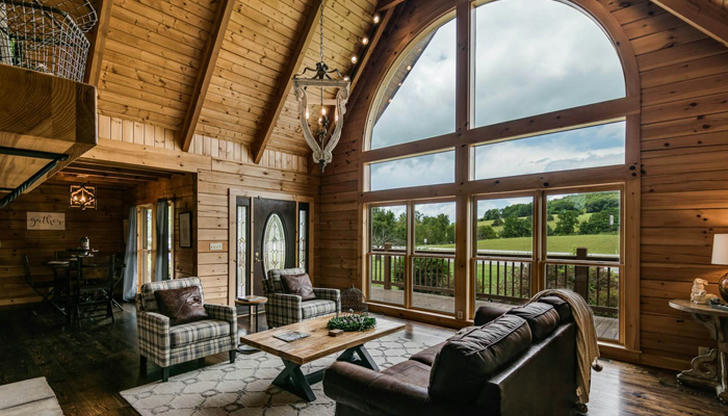
For many people, a cabin isn’t a full-time home—it’s a weekend getaway, a fishing base, or a quiet retreat used only during certain seasons. That means the place may sit empty for weeks or even months at a time. While the peace and isolation are part of the charm, an unattended cabin can quickly develop problems like frozen pipes, moisture buildup, pests, or stale indoor air. The good news is that with a few simple steps before you leave, you can keep your cabin protected and comfortable so it’s ready to enjoy the moment you return.
Protect the Plumbing Before You Leave
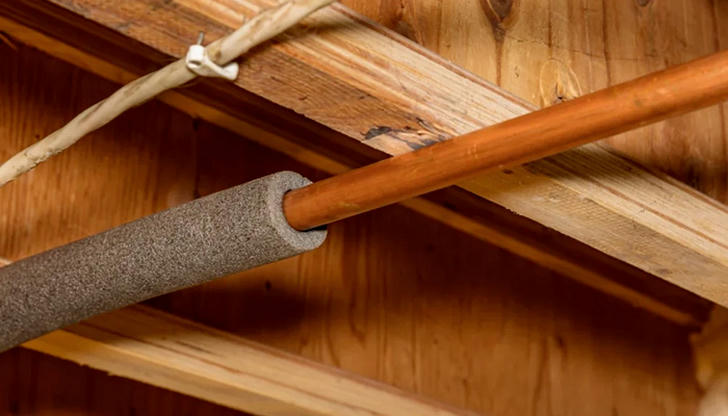
Water damage is one of the most common and expensive problems in unattended cabins. A small plumbing leak might go unnoticed for weeks, and in colder regions, frozen pipes can burst and flood entire rooms.
Before leaving for an extended period, it’s a good idea to turn off the main water supply. Many cabin owners also open faucets briefly to release remaining pressure in the lines. If the cabin is located in an area with harsh winters, draining exposed pipes or adding non-toxic antifreeze to sinks, toilets, and floor drains can help prevent freezing.
These steps may take only a few minutes, but they can save thousands of dollars in potential repair costs. When you return, restoring the system is usually as simple as turning the water back on and checking for leaks.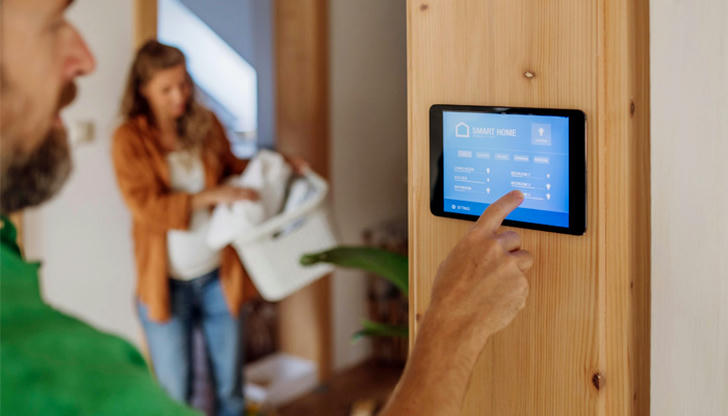
Manage Indoor Temperature the Smart Way
Some cabin owners shut off heating or cooling completely when they leave, assuming it saves energy. However, extreme indoor temperatures can cause problems, especially in buildings made with wood.
Very cold temperatures can damage pipes, appliances, and stored items. On the other hand, excessive heat in the summer can lead to humidity buildup and unpleasant odors.
A better approach is to maintain a moderate temperature while the cabin is empty. In colder climates, many owners set the thermostat just above freezing. This helps protect plumbing without wasting large amounts of energy. During hot months, keeping the cabin slightly cooler than outdoor temperatures can prevent humidity from building up inside.
If your cabin has a programmable or smart thermostat, you can even monitor and adjust temperatures remotely.
Control Moisture and Humidity
Moisture is another silent problem in empty cabins. Because cabins are often surrounded by forests, lakes, or mountain environments, humidity levels can change quickly.
Wood naturally absorbs and releases moisture from the air. When humidity stays high for long periods, it can cause musty smells, mold growth, or warping of wooden surfaces.
Before leaving, make sure the cabin has some basic airflow. Leaving interior doors slightly open can help air move through the home more evenly. In damp regions, using a small dehumidifier or moisture absorber can make a big difference.
Even simple ventilation steps can prevent that unpleasant “closed-up cabin” smell many people notice when they return after a long absence.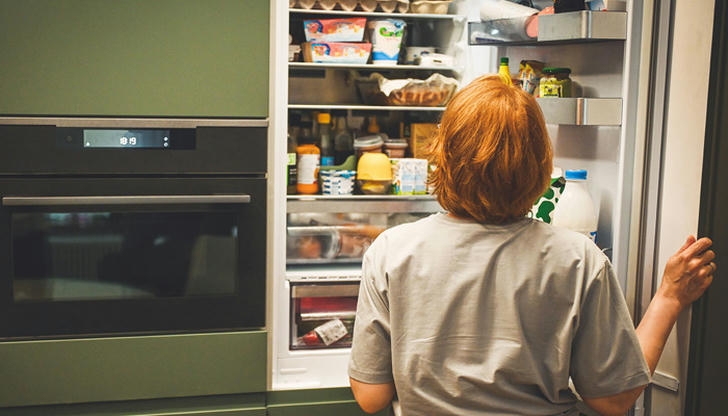
Remove Food and Strong Smells
Wildlife and insects are part of the natural environment around most cabins. Unfortunately, an empty building can quickly become attractive to mice, raccoons, ants, or other unwanted visitors if food is left behind.
Before leaving, remove perishable food from the refrigerator and pantry. Dry goods should be stored in sealed containers, and all trash should be taken out. It’s also helpful to wipe kitchen counters and sweep up crumbs that may have fallen behind appliances.
Strong scents can also attract animals, so avoid leaving open food packaging or scented garbage bags behind. A quick cleaning routine before leaving greatly reduces the chances of coming back to a pest problem.